
Many homeowners turn to pest control only after spotting a problem. A one-time service may reduce visible activity, but it rarely addresses the conditions that allowed pests to appear in the first place. Pests are persistent, adaptive, and often hidden long before signs become obvious. This is why regular pest maintenance consistently outperforms single treatments when it comes to long-term protection.
Regular pest maintenance focuses on prevention, monitoring, and adjustment over time. Instead of reacting to isolated incidents, it creates a structured approach that evolves with seasonal changes, environmental conditions, and pest behavior. Understanding how pests operate explains why ongoing service delivers more reliable results and fewer surprises.
How pests establish themselves before you notice
Most pest infestations do not begin with obvious activity. Pests typically enter quietly and take time to settle before becoming visible. By the time a homeowner notices signs, populations are often already established.
- Pests enter through small gaps, vents, and structural openings that are easy to overlook
- Nesting begins inside walls, attics, crawl spaces, and insulation, where activity stays hidden
- Access to food and moisture allows populations to grow without surface signs
- Early indicators are subtle and often mistaken for normal household issues
Many pests follow predictable behavior patterns. After gaining entry, they explore protected areas first, avoiding open spaces until populations grow or resources require expansion. This is why infestations often seem sudden, even though activity has been developing for weeks or months.
Seasonal changes also contribute to delayed detection. As temperatures shift, pests move deeper into structures, relying on stable indoor conditions. During this phase, activity remains concealed behind walls, under flooring, or inside utility voids. Without regular monitoring, these early stages pass unnoticed.
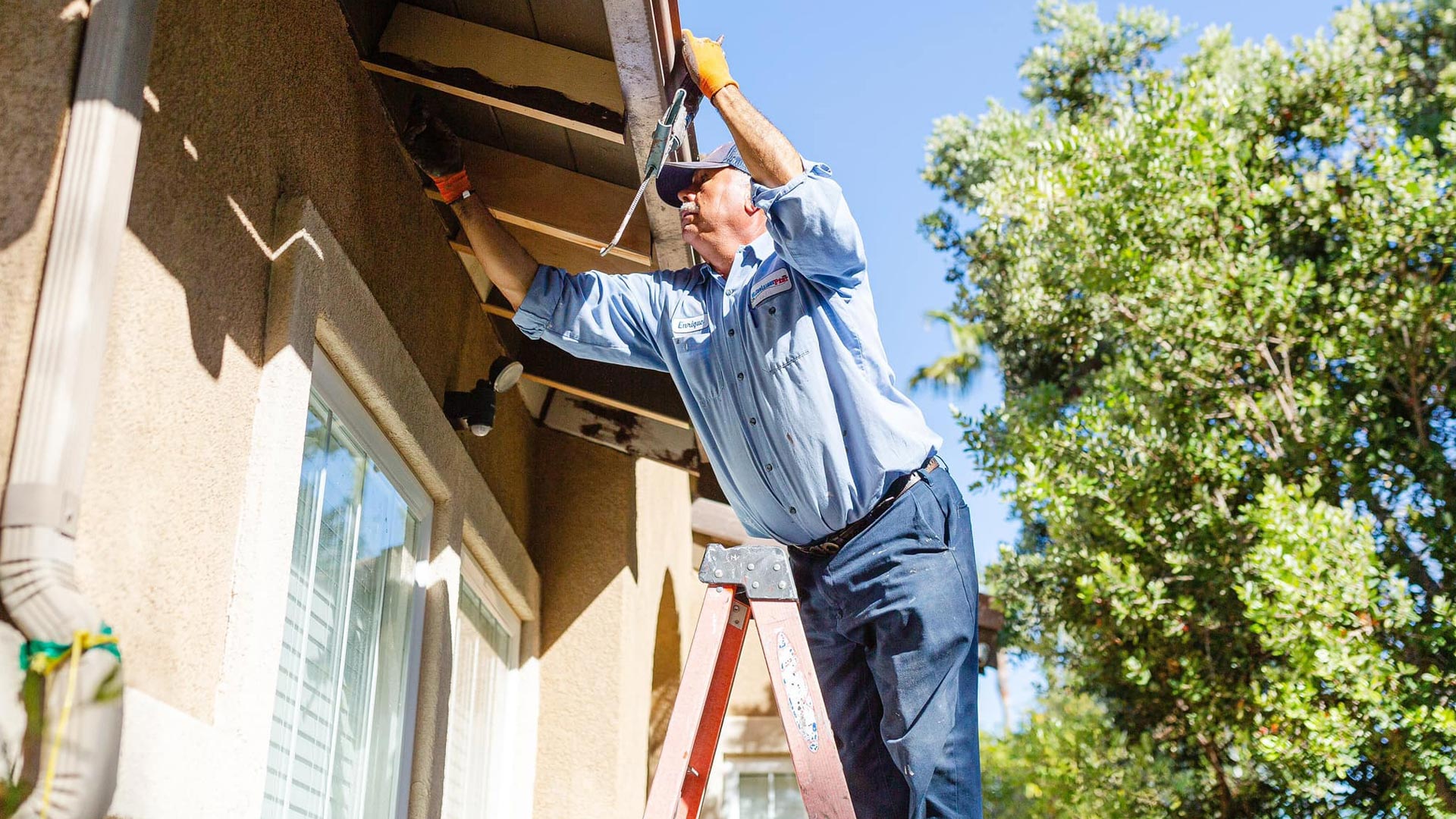
Professional pest maintenance focuses on identifying these hidden phases. By tracking minor changes and inspecting high-risk areas consistently, pest activity can be disrupted before infestations reach a visible or damaging stage.
Why one-time treatments rarely solve the root problem
One-time pest treatments are designed to address immediate concerns, not long-term prevention. While they may reduce activity temporarily, they do not adapt to changing conditions or pest behavior.
Pests respond quickly to environmental shifts such as weather changes, construction, or landscaping adjustments. A treatment that works today may be less effective weeks later as new entry points form or seasonal pressure increases. Without follow-up, pest populations often return, sometimes in greater numbers.
This cycle leads to repeated service calls and frustration. The hidden cost of delayed or incomplete response is explored further through insight on minor infestation costs, which explains how small issues escalate when not managed consistently.
What regular pest maintenance actually provides
Regular pest maintenance is not about constant treatment. It is about consistent oversight and strategic action based on real conditions.
- Scheduled inspections to detect early activity
- Adjustments based on seasonal pest patterns
- Identification of new vulnerabilities over time
- Ongoing prevention rather than reaction
Because pests behave differently throughout the year, maintenance plans evolve. Warmer months may bring increased insect pressure, while colder seasons drive pests indoors. Regular pest maintenance accounts for these shifts, ensuring protection remains effective regardless of season.
This approach also reduces the need for aggressive corrective treatments, as issues are addressed before they become entrenched.
How regular service reduces long-term risk and cost
One of the biggest advantages of regular pest maintenance is predictability. Rather than facing unexpected infestations, homeowners benefit from steady protection and clearer expectations.
- Fewer emergency service calls
- Lower risk of structural or property damage
- Reduced chance of recurring infestations
- More efficient use of treatment methods
Over time, maintenance plans often cost less than repeated one-time treatments. Each isolated service addresses symptoms, while ongoing care focuses on causes. This difference becomes more apparent as properties age and conditions change.
Many homeowners attempt to fill gaps between treatments on their own, but this often creates additional problems. The drawbacks of surface-level approaches are explained further through guidance on DIY pest mistakes, which highlights why professional consistency matters.
Why professionals rely on maintenance, not quick fixes
From an expert perspective, pest control is never static. Pest populations adapt, and environments change. Regular pest maintenance allows professionals to track trends, refine strategies, and respond proactively.
Professionals use ongoing data from inspections and prior activity to guide decisions. This makes it easier to identify patterns, such as recurring entry points or seasonal spikes. Instead of guessing, actions are based on documented behavior and environmental factors.
Maintenance also supports safer, more targeted solutions. By applying treatments only when and where needed, professionals reduce disruption while maintaining effectiveness. This precision is difficult to achieve with isolated services that lack historical context.
Regular pest maintenance is not about more work. It is about smarter protection. It recognizes that pests do not follow schedules and that effective control requires flexibility, observation, and timely intervention.
Build protection that lasts
We understand why regular pest maintenance provides stronger, more reliable protection than one-time treatments. For ongoing prevention and expert oversight, contact Major League Pest so we can help protect your home with a maintenance plan designed for long-term results.
