
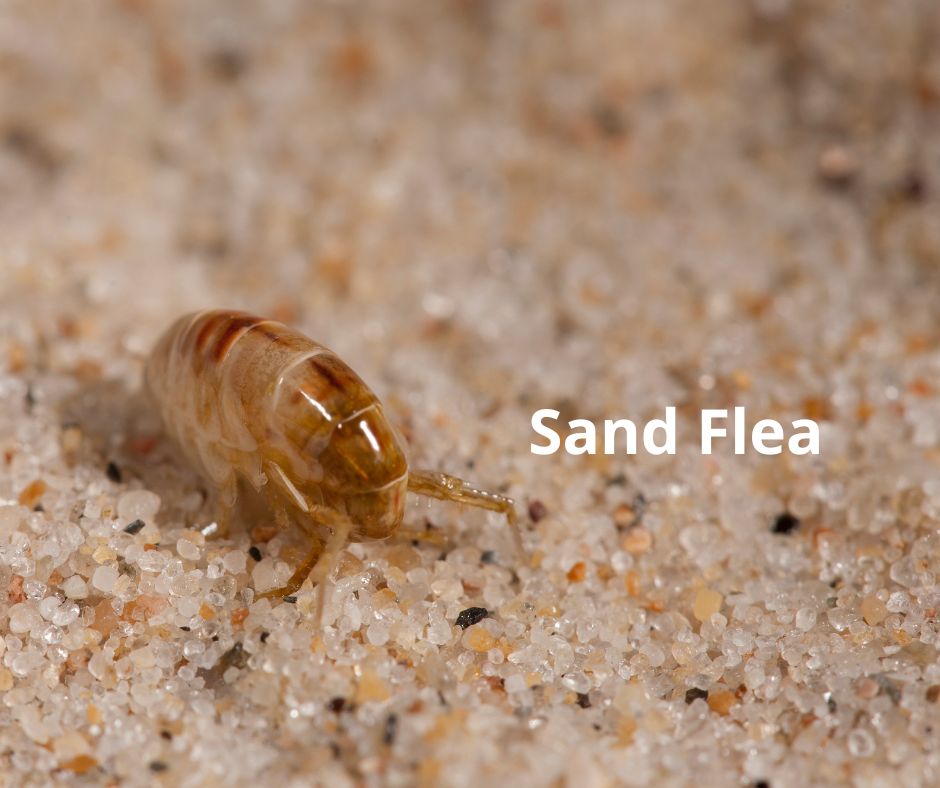
Many homeowners associate fleas exclusively with pets. While animals are a common carrier, a flea infestation can still develop in homes without cats or dogs, especially during winter. Colder weather changes flea behavior, pushing them to seek warm, stable environments where they can survive and reproduce. Homes provide ideal conditions, even when no pets are present.
Winter flea issues often come as a surprise because activity is quieter and more concealed than during warmer months. Fleas adapt by relying on alternative hosts, hidden entry points, and indoor conditions that allow life cycles to continue. Understanding how fleas enter pet-free homes explains why professional attention is often necessary once winter infestations take hold.
Why fleas remain active during winter
Winter does not stop flea activity. It changes how fleas survive and where that activity takes place. Instead of relying on outdoor environments, fleas shift indoors where conditions remain stable enough to support their life cycle.
- Indoor heating maintains temperatures that allow flea eggs and larvae to survive and develop
- Carpets, rugs, and upholstered furniture insulate flea populations from cold conditions
- Fleas enter dormant or low-activity stages that can last for weeks or months
- Reducing outdoor predators increases survival rates indoors
Fleas are highly adaptable pests. When outdoor temperatures drop, adult fleas may become less visible, but eggs and larvae continue developing in protected areas. These immature stages are resistant to cold and can remain hidden until conditions improve. Once indoor temperatures stay consistent, development resumes without interruption.
Winter also reduces natural disruption. With less foot traffic in storage areas, basements, and spare rooms, flea populations are able to establish themselves quietly. This delayed visibility is why winter flea infestations often seem to appear suddenly, even though activity began much earlier.
Professional flea control accounts for these hidden survival stages rather than focusing only on visible adult fleas. By addressing environmental conditions and interrupting the flea life cycle during winter, long-term infestation risk is significantly reduced.
How fleas enter homes without pets
Homes without pets often assume they are immune to flea problems. In reality, fleas can enter through several indirect pathways that are easy to overlook.
- Hitchhiking on clothing or shoes
- Entering through shared walls in multi-unit buildings
- Traveling indoors via rodents or wildlife
- Moving through crawl spaces and insulation
Once inside, fleas do not require pets to survive immediately. They can remain dormant until a host becomes available, including humans or visiting animals. Winter conditions increase reliance on indoor environments, making it easier for fleas to remain undetected while populations slowly grow.
Indoor conditions that support winter flea infestations
A flea infestation depends as much on the environment as it does on hosts. Certain indoor conditions allow fleas to persist throughout winter without drawing attention.
- Carpeting and area rugs trap eggs and larvae
- Upholstered furniture provides warmth and shelter
- Baseboards and floor edges collect organic debris
- Insulation creates protected harborage zones
Insulation and wall cavities are especially important factors. Fleas and their hosts often use these spaces to avoid temperature extremes. Information on how building materials influence pest behavior is outlined through insights on insulation pest attraction, which explains why fleas and other pests often thrive unseen.
Why winter flea infestations often go unnoticed
Winter flea infestations tend to develop quietly. Without pets scratching or visible outdoor activity, early signs are often dismissed or overlooked.
- Bites may be mistaken for dry skin irritation
- Fleas remain hidden in low-traffic areas
- Reduced insect movement lowers suspicion
- Activity increases gradually rather than suddenly
By the time fleas are confirmed, populations may already be established. Delayed response allows eggs and larvae to mature, making control more complex. The long-term impact of ignoring early pest issues is explored further through guidance on minor infestation risks, which highlights why early intervention matters.
Why professional flea control is essential in winter
Winter flea infestations require a comprehensive approach that addresses all life stages. Surface-level responses rarely reach hidden eggs and larvae embedded in flooring and structural materials.
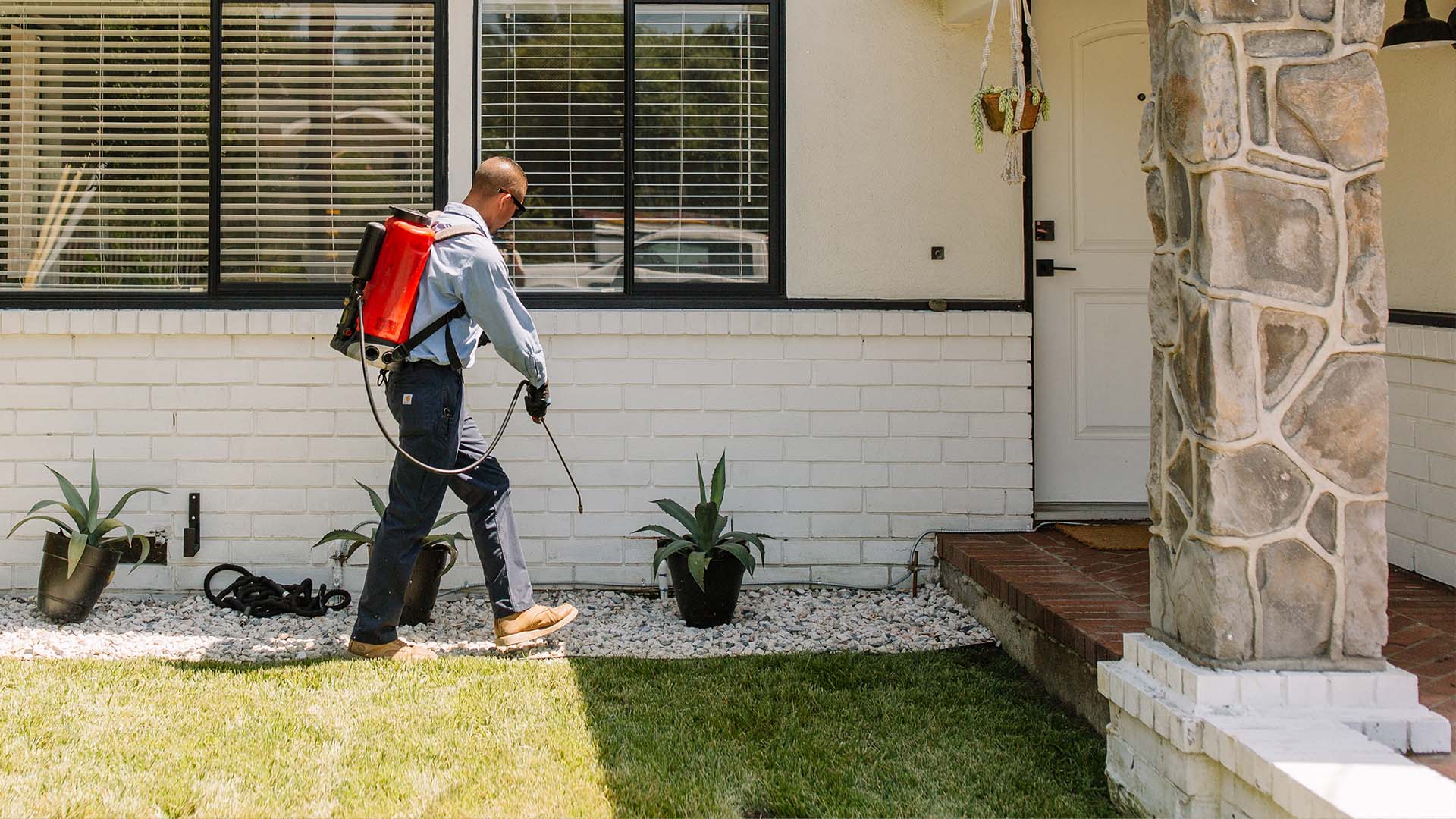
Professional flea control focuses on understanding where fleas are developing and how they entered the home. Treatments are designed to disrupt life cycles, reduce environmental support, and prevent reinfestation as seasons change. This approach is especially important in homes without pets, where infestation sources are often indirect.
Professionals also evaluate contributing factors such as insulation, moisture levels, and potential wildlife access. Addressing these elements reduces the likelihood of fleas returning when temperatures rise. Winter is an ideal time for professional assessment because flea activity is concentrated indoors and easier to trace.
A flea infestation without pets is not unusual. It is simply less expected. Recognizing that fleas adapt to indoor environments explains why winter prevention and professional oversight are critical for effective control.
Stop fleas before activity escalates
We understand how flea infestations develop in pet-free homes during winter and why early professional action is important. For thorough evaluation and reliable treatment, contact Major League Pest so we can help eliminate hidden flea activity and protect your home through the colder months and beyond.
