
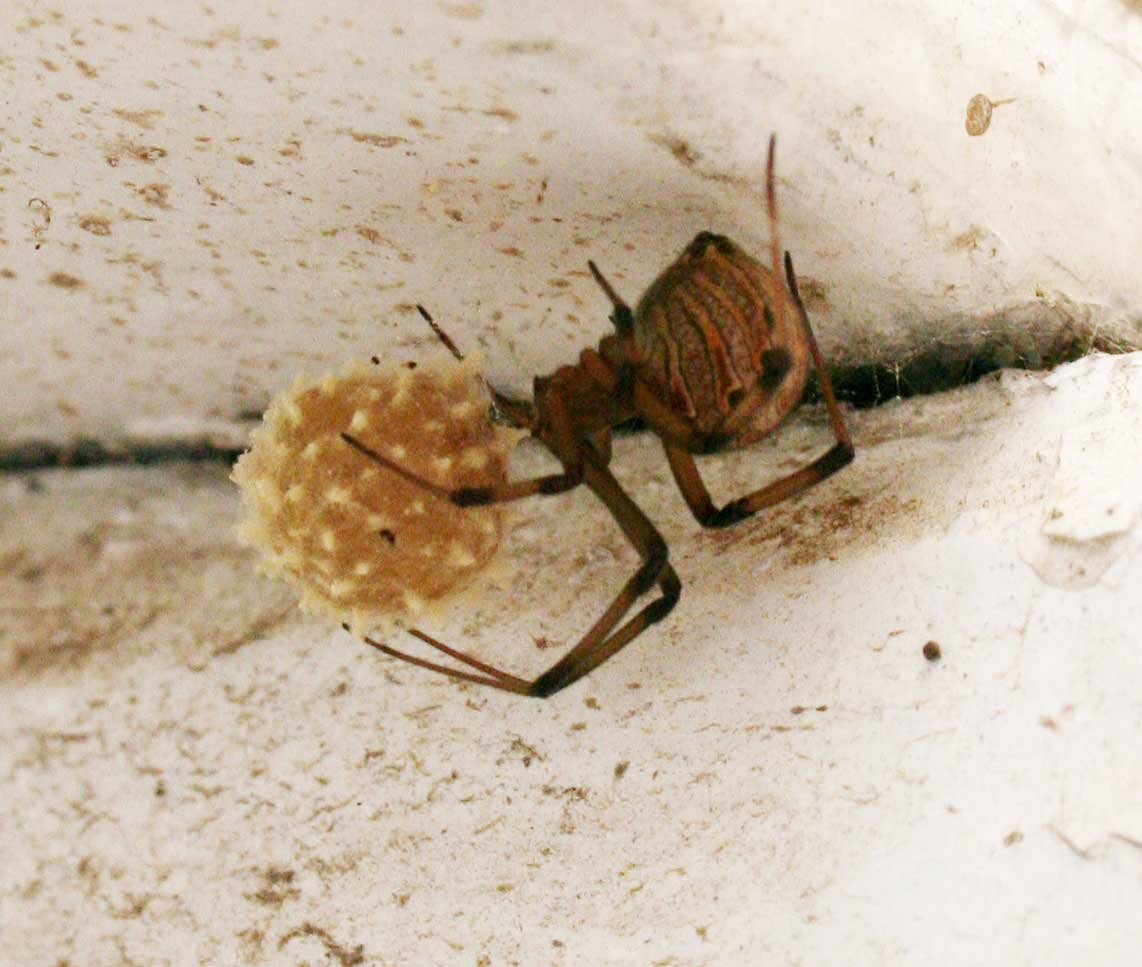
As temperatures begin to drop, many homeowners notice an increase in spider activity indoors. While spiders are present year-round, cooler months often push them deeper into homes in search of warmth, food, and shelter. This seasonal shift can surprise homeowners who rarely encounter spiders during warmer weather. Understanding why spiders behave this way, how they enter, and why their presence may signal a larger pest infestation helps create a safer, more manageable home environment.

Why Spider Activity Increases as Temperatures Cool
Spiders rely heavily on environmental conditions to survive. When outdoor temperatures fall, their ability to hunt, reproduce, and remain active declines. This seasonal transition naturally drives them toward warmer, stable environments, which makes homes an appealing refuge during cooler months.
Key factors that influence spider movement indoors include:
- Declining prey availability outdoors
- Cooler nighttime temperatures slow their activity
- Moisture sources inside the home
- Stable indoor temperatures that support survival
Spiders do not move indoors simply to escape the cold. They do so because their prey insects also shift inside. As temperatures cool, ants, flies, beetles, and other small insects search for shelter, providing spiders with a fresh, concentrated food supply. This creates an indoor ecosystem where spiders can thrive through fall and winter.
Our previous blog post on sealing entry points highlights how seasonal pest movement grows more intense as temperatures drop. When these insects enter the home, spiders follow, increasing sightings and web activity in corners, basements, attics, and window frames.
How Structural Gaps Allow Spiders to Enter More Easily
Spiders enter through many of the same openings used by insects and rodents. Even tiny gaps can provide a path inside, especially when weather shifts cause the home’s structure to expand and contract. Cooler months exaggerate these small openings, creating new access points that did not exist earlier in the year.
Common spider entry areas include:
- Gaps around windows and door frames
- Cracks in foundations or siding
- Openings where utility lines enter
- Attic vents and crawl space screens
- Under protected overhangs or roofing intersections
Seasonal changes also reduce outdoor food sources, making indoor entry points more attractive. Dimly lit areas like basements, garages, and storage rooms become ideal habitats where spiders find both shelter and prey.
While spiders themselves rarely cause structural damage, their presence often indicates other pests are active. This makes early detection especially important. Where spiders are thriving, smaller insects are typically nearby, increasing the likelihood of a wider pest infestation forming beneath the surface.
Why Spiders Are Often a Sign of a Larger Pest Infestation
Spiders are predators and typically move into areas where food is abundant. If homeowners notice an increase in spiders, it often signals that other insects are present in higher numbers. These prey insects may be hiding in wall voids, basements, attics, or near moisture sources, making their presence harder to detect.
Spiders are commonly drawn to indoor environments with:
- Active insect populations
- High humidity or leaks
- Minimal human disturbance
- Cluttered corners or storage areas
Their webs often form near light sources where insects are attracted, in upper corners of rooms, or in areas with minimal airflow.
Addressing only the spiders without treating the underlying pest infestation leads to recurring issues. The insects that spiders feed on will continue reproducing, attracting new spiders and making it difficult to eliminate activity. A comprehensive inspection is often needed to identify which pests are driving spider behavior in the home.
DIY spider sprays may temporarily reduce visible activity, but they rarely eliminate hidden insect populations. This is why a professional evaluation is essential when spider sightings become more frequent.
Why DIY Attempts Are Not Enough During Cooler Months
DIY control methods may help reduce isolated spiders, but cooler months create environmental conditions that make DIY treatments less effective. Spraying visible spiders does little to address concealed nesting areas, overwintering insects, or structural vulnerabilities that allow access.
Common DIY challenges include:
- Treating only visible activity
- Missing the underlying insect population
- Pushing spiders into deeper hiding areas
- Failing to seal small but important entry points
Professionals understand how seasonal behavior affects both spiders and insects, allowing them to target the root of the problem rather than just the surface-level activity. They also use tools and materials designed to reach hidden zones where DIY products cannot.
Our previous blog post on retreatment guarantees highlights how ongoing maintenance ensures pests remain under control throughout the season. Cooler months often require follow-up service because pest behavior shifts as temperatures fluctuate.
How Professional Service Controls Spider Activity and Prevents Future Issues
Professional pest management focuses on eliminating the underlying conditions that attract spiders and the insects they prey upon. This approach not only reduces current activity but also prevents seasonal surges from becoming long-term issues.
Advantages of professional spider control include:
- Comprehensive inspection to identify prey insects and nesting areas
- Targeted treatments that reduce both spiders and their food sources
- Sealing recommendations to prevent seasonal entry
- Monitoring plans that detect early pest activity
Professionals also understand which areas of the home are most vulnerable during cooler months, such as attics, crawl spaces, basements, and upper wall voids. Treating these areas early minimizes the chances of a larger, harder-to-control pest infestation developing in winter.
Rather than simply removing spiders, professional service stabilizes the home environment so that pests cannot thrive. This supports long-term protection and reduces the likelihood of seasonal surges year after year.
A More Reliable Way to Keep Spiders Out This Season
If spiders are appearing more often or you suspect a growing pest issue, reach out to Major League Pest. We provide detailed inspections, targeted solutions, and long-term protection to keep your home safe, clean, and pest-free throughout the cooler months.
