More than 30 years of termite removal work shape how we inspect, treat, fumigate, and repair Del Mar homes. Our owner brings 45 years; our senior inspector, 50.
Major League Pest brings more than 30 years in the industry, but the depth inside the team goes further. Our owner has 45 years across termite, fumigation, pest, and gopher work. Moreover, our senior inspector brings 50 years, while fumigation, construction, repair, rodent, and termite control specialists add decades of their own.
A small drywood pocket and soil-based activity are not the same job. Inspection findings decide which treatment route deserves consideration.

We examine visible evidence, wood condition, moisture, likely access, past repairs, and surrounding structural details before deciding what deserves treatment.

When activity is contained, localized termite extermination services can address the affected area without automatically turning a limited termite problem into whole-structure work.

Widespread drywood activity may make fumigation the more appropriate option. We explain the process and why broader treatment is being considered first.

Barrier treatments address subterranean termite pressure around the structure, helping interrupt movement between soil colonies and accessible wood above them.

Bait placement can become part of a subterranean termite strategy when colony behavior and inspection findings make that approach useful for the property.

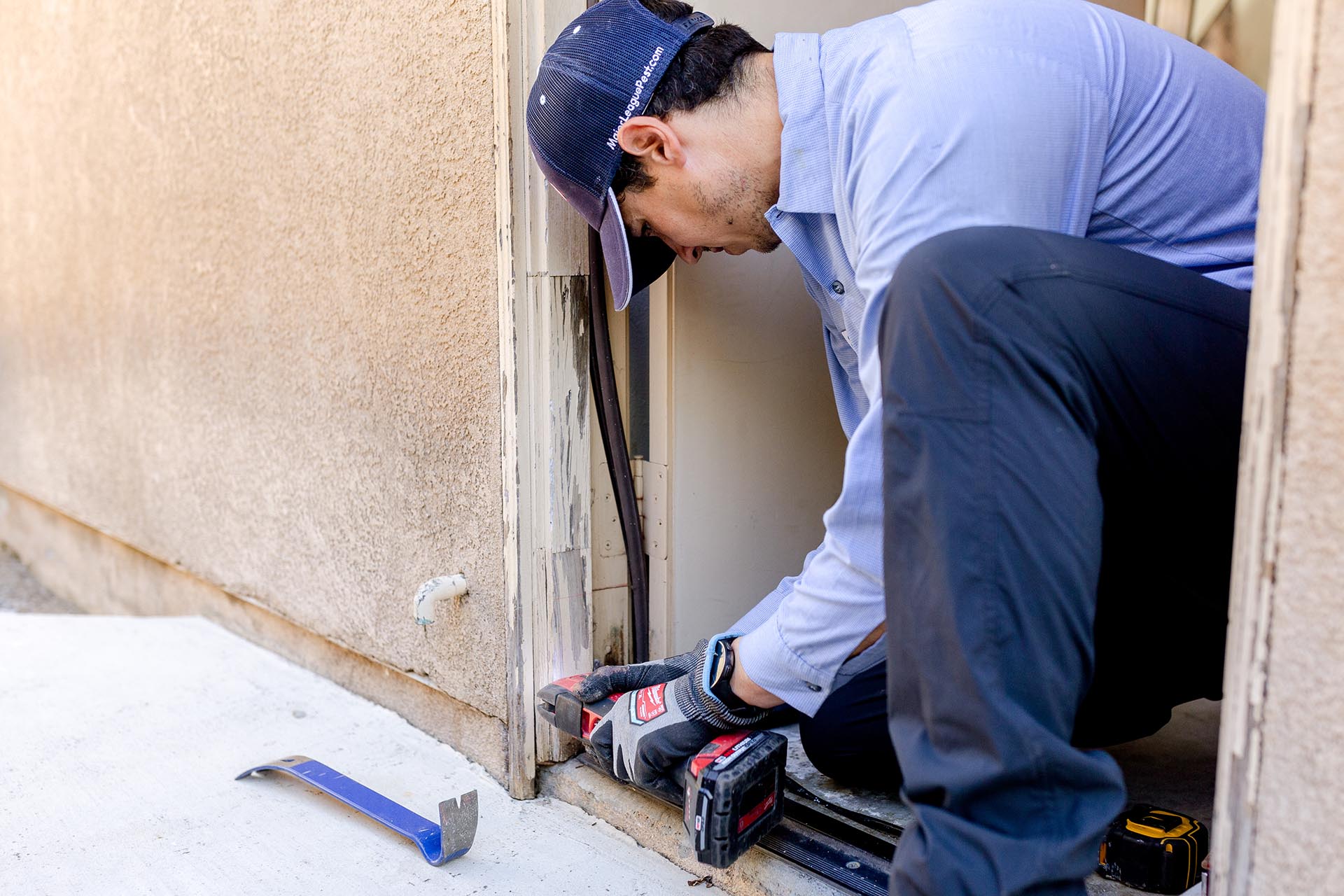
Treatment removes the biological problem; damaged wood may still need work. Our local exterminators are trained to repair termite and dry-rot damage afterward.


Enrique, Alex and Daniel did an excellent job repairing the fascia and shade structure that were damaged by termites and dry rot.


So far, it's been a 5 star experience. Dan is extremely knowledgeable and friendly. I really feel like they focus on your needs and don't try to up sale on unnecessary service. I would highly recommend Major League Pest to anyone in the area.


I’ve had a fantastic experience with Major League Pest Control for years! My technician, Tony, is absolutely the best—professional, knowledgeable, and always goes above and beyond.


Working with Paul was a complete breath of fresh air. I completely trust him as he went above and beyond to show me exactly what was going on and not try to oversell me on any treatment.
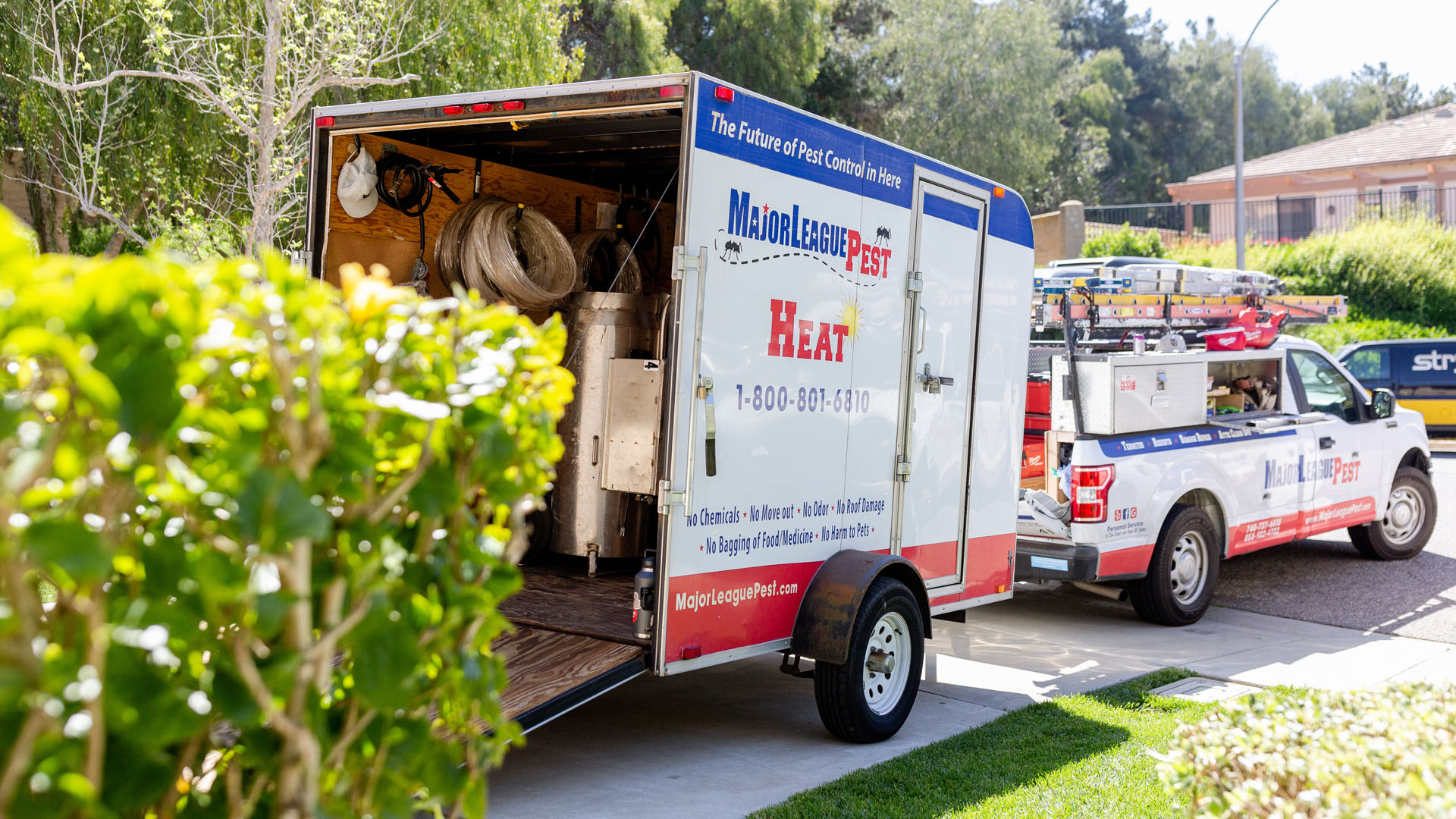
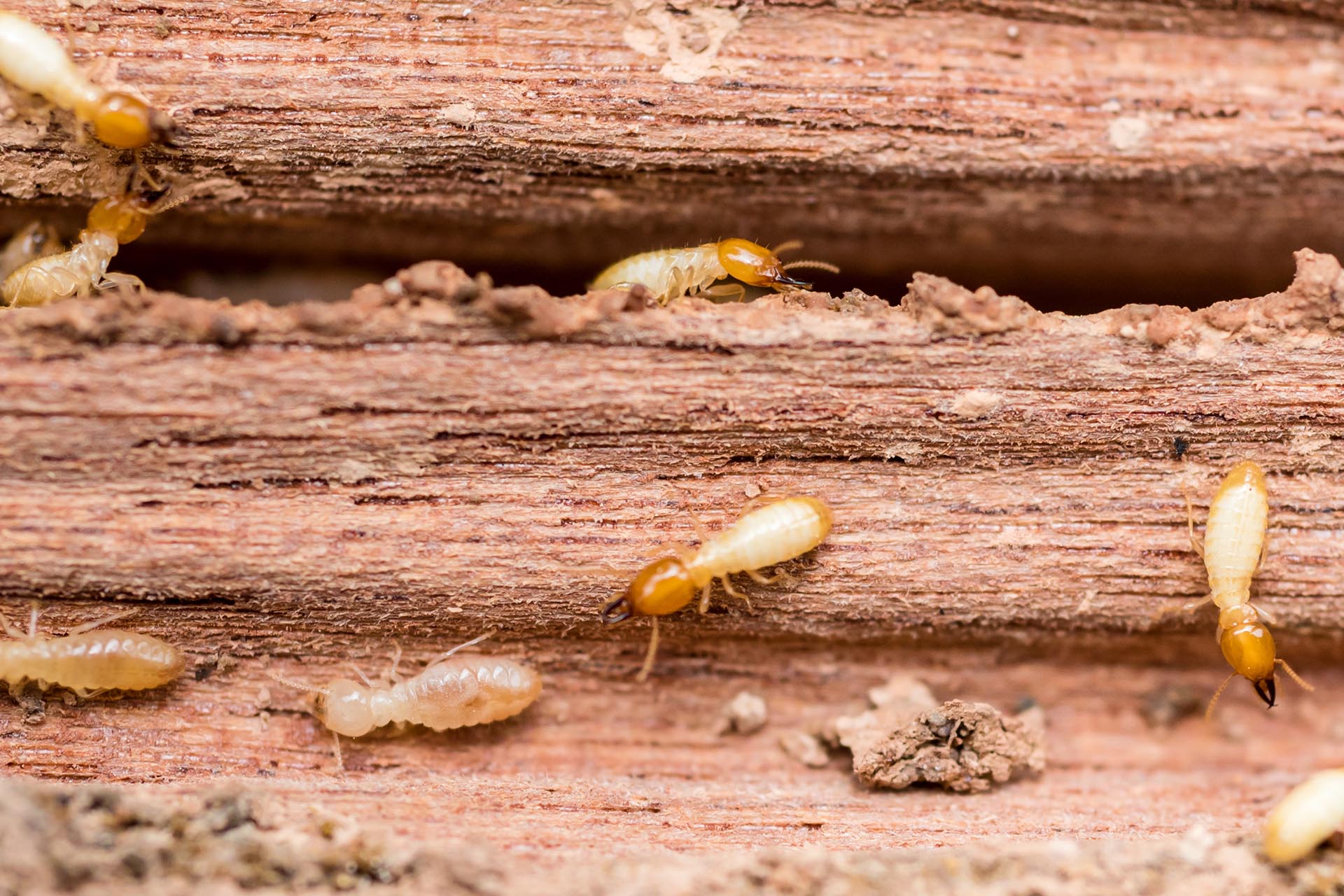
Del Mar sits directly on the Pacific coast, where wood may face very different moisture conditions from one part of a property to another. California termite species also behave differently. Drywood termites live above ground in relatively dry wood; subterranean termites begin in soil, while dampwood activity points toward wood holding substantial moisture.
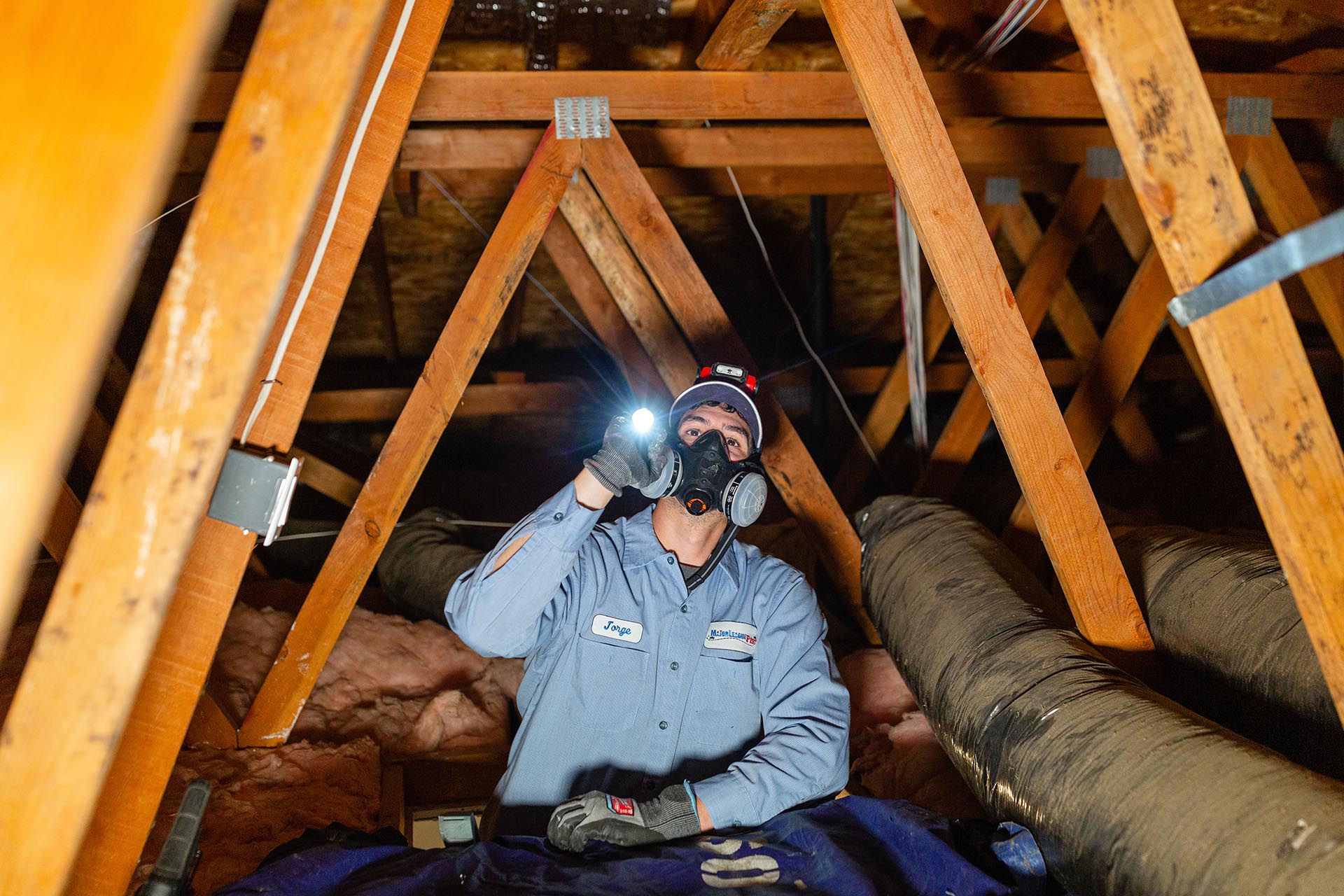
The inspection of our termite expert therefore reaches beyond one pile of pellets or one damaged board. Exterior and interior areas, attics, sub-areas, garages, decks, patios, moisture conditions, dry rot, fungus, grading, and wood touching soil can all matter. The report connects those findings before a treatment recommendation is made.
The species, location, extent of activity, moisture, and structural condition all influence what kind of termite treatment makes sense.

Dampwood termites belong where wood stays wet. Our Del Mar termite control pros look for moisture, decay, leaks, and soil contact, because correcting the wet condition can matter alongside treating or replacing affected wood.
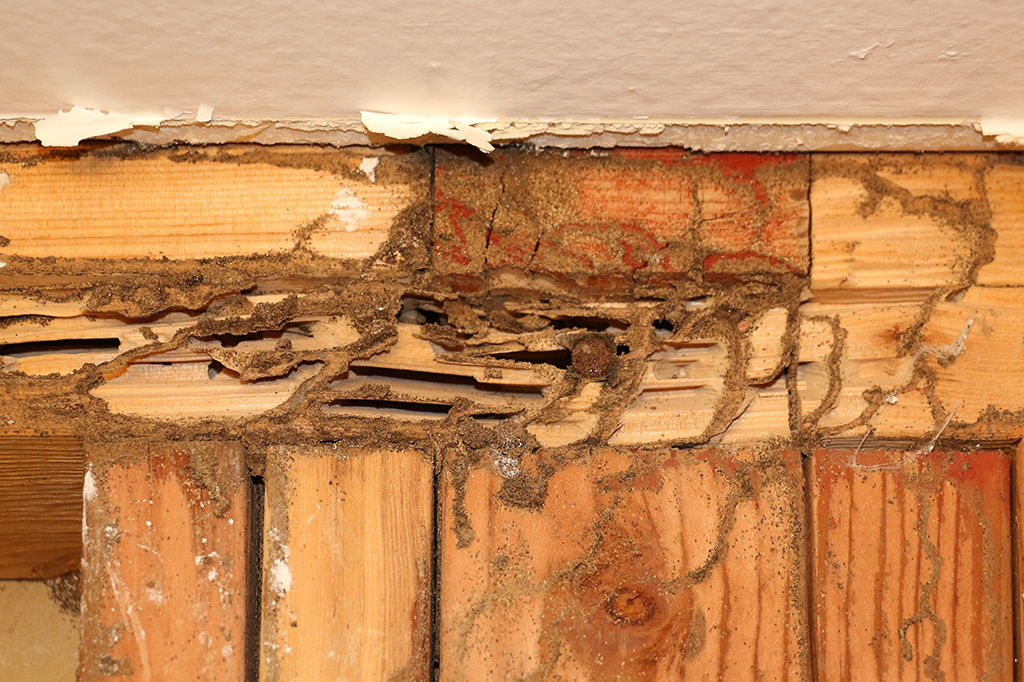
Drywood colonies can remain sealed inside sound wood without soil contact. When activity is widespread, fumigation can reach throughout the structure; smaller infestations may qualify for localized or heat-based alternatives instead.
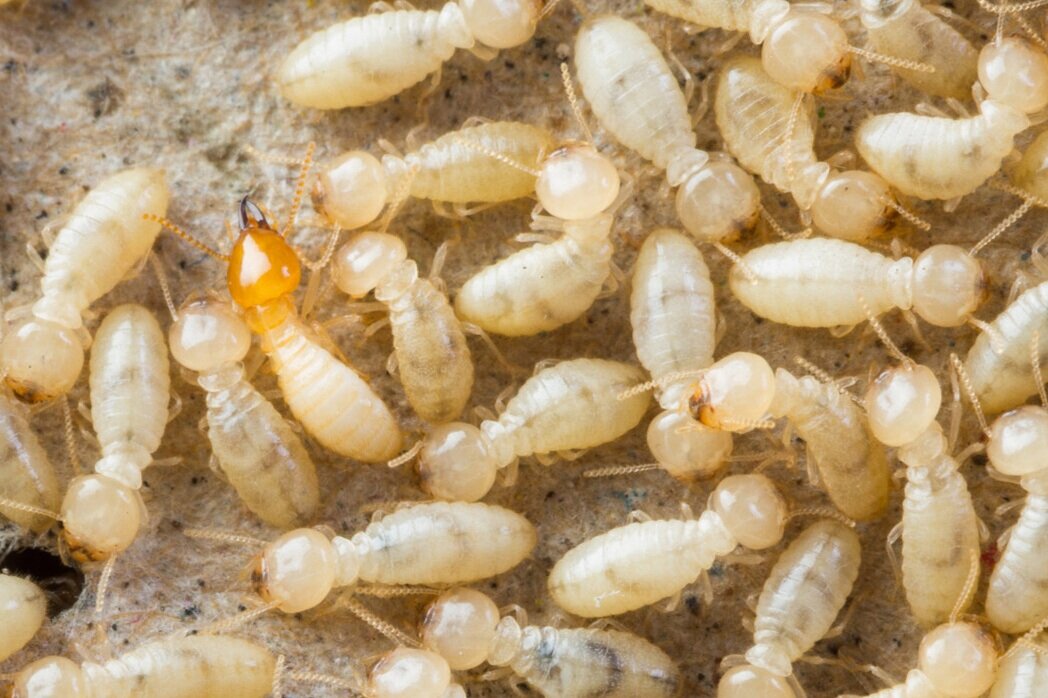
Subterranean termites live and breed in soil, often reaching structures through shelter tubes or concealed contact points. Barrier applications, baiting, soil-focused treatment, and correction of wood-to-soil contact may enter the plan.
Major League Pest recommends an annual termite inspection. Termites can return after treatment, and new activity is easier to address while an infestation is still limited. A yearly check gives us another chance to catch fresh evidence before a small colony has more time to expand.
Yes. Concrete and brick do not make a structure termite-proof because wood is still present around roofs, doors, windows, framing, and interior components. Major League Pest notes that masonry homes can still develop termite activity, so the inspection follows the wood rather than judging risk by the exterior material alone.
No. Fumigation is not automatically required for every infestation. Major League Pest also uses localized treatment, heat, and other alternatives when the findings support them. The extent and location of activity matter, which is why the treatment decision comes after the structure has been inspected rather than before.
Our structural inspections can document more than active termites. We also look for termite damage, dry rot, fungus-related conditions, excessive moisture, improper grading, and wood-to-soil contact. The inspection can cover exterior and interior areas, the attic, sub-area, garage, decks, patios, and other structural components.
Yes. Major League Pest has access to lower-impact options that can include borate-based products, heat, and selected insecticides, depending on the situation. We do not assume one method belongs everywhere. The inspection findings help determine whether an alternative to fumigation is practical for the property.
Small pellet-like droppings, mud-like tubes, winged insects, surface rippling, new holes, or channels in wood can all justify a closer look. Because termite activity may stay concealed, Our termite control Del Mar, CA, team recommends professional inspection when signs appear instead of relying on the visible damage to show the full extent.
Yes. Termite and dry rot repair are part of Major League Pest’s service capabilities. Our construction specialists have more than 25 years of repair experience, and the company can handle wood renovation work, including painting, when damaged material needs attention after the termite problem has been addressed.
The Annual Termite Protection Plan is designed around the fact that termite pressure can return over time. Product longevity varies, so ongoing protection is not treated as a one-and-done assumption. Regular inspection and monitoring give our termite control company a way to identify new activity before it becomes a larger problem.
Bring Major League Pest the signs you have noticed, and let experienced termite eyes determine what your Del Mar property needs next.