Major League Pest has handled termite problems across North San Diego County since 1992. The team inspects each property carefully, explains what it finds, and recommends only the work that fits. Service may include spot treatments, fumigation, soil barriers, baiting, or repairs to wood damaged by termites throughout the property.
Our termite inspection services identify active colonies, visible damage, and property conditions before we recommend treatment, fumigation, monitoring, or repair.

We inspect accessible interior and exterior areas, identify termite evidence, evaluate visible damage, and recommend the most appropriate next step.

For activity confined to one reachable section, crews work directly there without involving the rest of the home or building.

Fumigation reaches drywood termites hidden throughout the structure when isolated applications cannot fully address colonies spread across several inaccessible areas.

Barrier treatment supports termite removal by forming a treated zone that blocks subterranean termites traveling between soil and structural wood.

Bait stations attract foraging termites, which carry the treatment back to the colony and gradually reduce activity throughout the property.

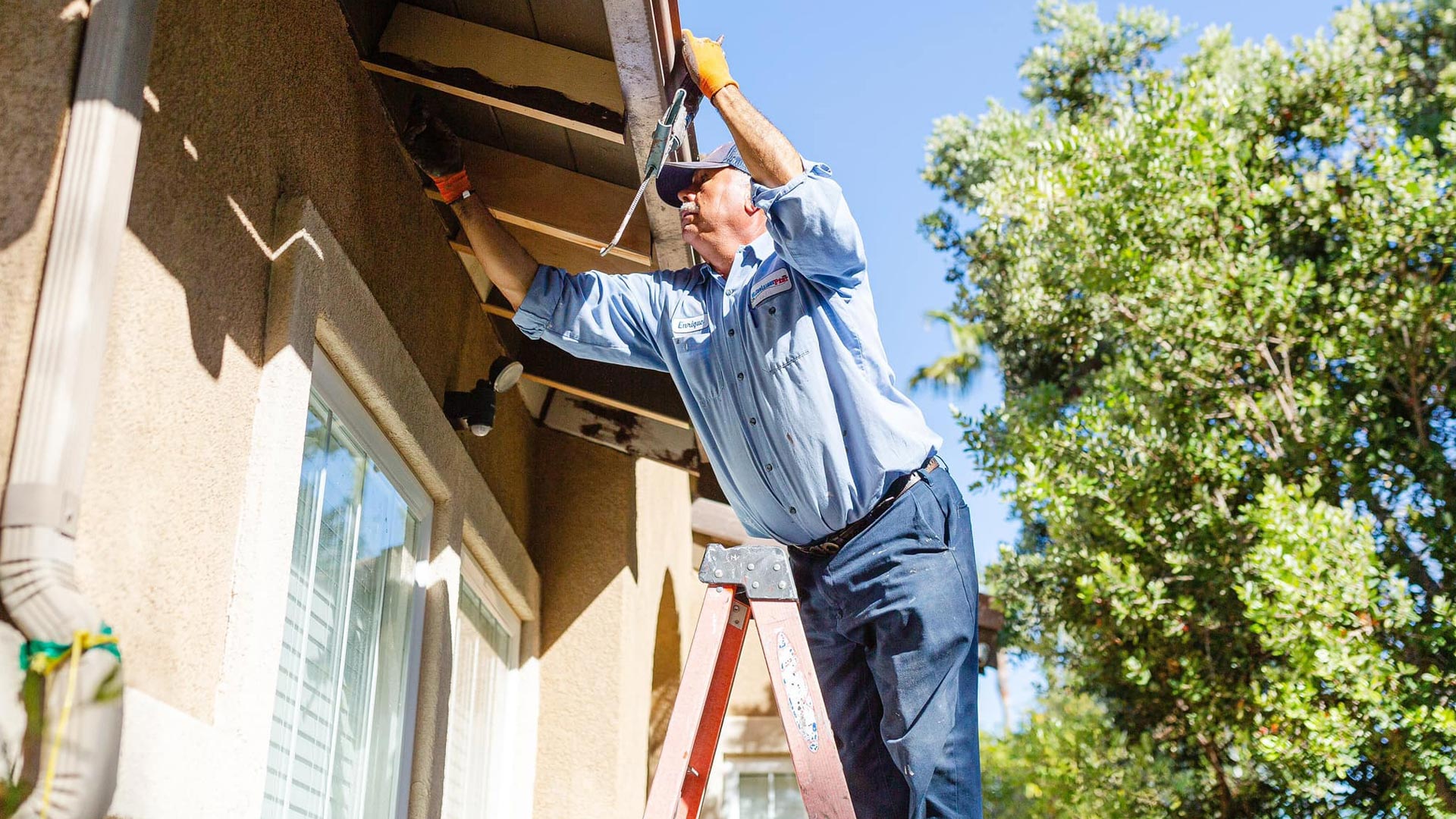
Our repair team removes damaged material, replaces affected wood, addresses related dry rot, and helps preserve the property’s structural condition.


Enrique, Alex and Daniel did an excellent job repairing the fascia and shade structure that were damaged by termites and dry rot.


So far, it's been a 5 star experience. Dan is extremely knowledgeable and friendly. I really feel like they focus on your needs and don't try to up sale on unnecessary service. I would highly recommend Major League Pest to anyone in the area.


I’ve had a fantastic experience with Major League Pest Control for years! My technician, Tony, is absolutely the best—professional, knowledgeable, and always goes above and beyond.


Working with Paul was a complete breath of fresh air. I completely trust him as he went above and beyond to show me exactly what was going on and not try to oversell me on any treatment.
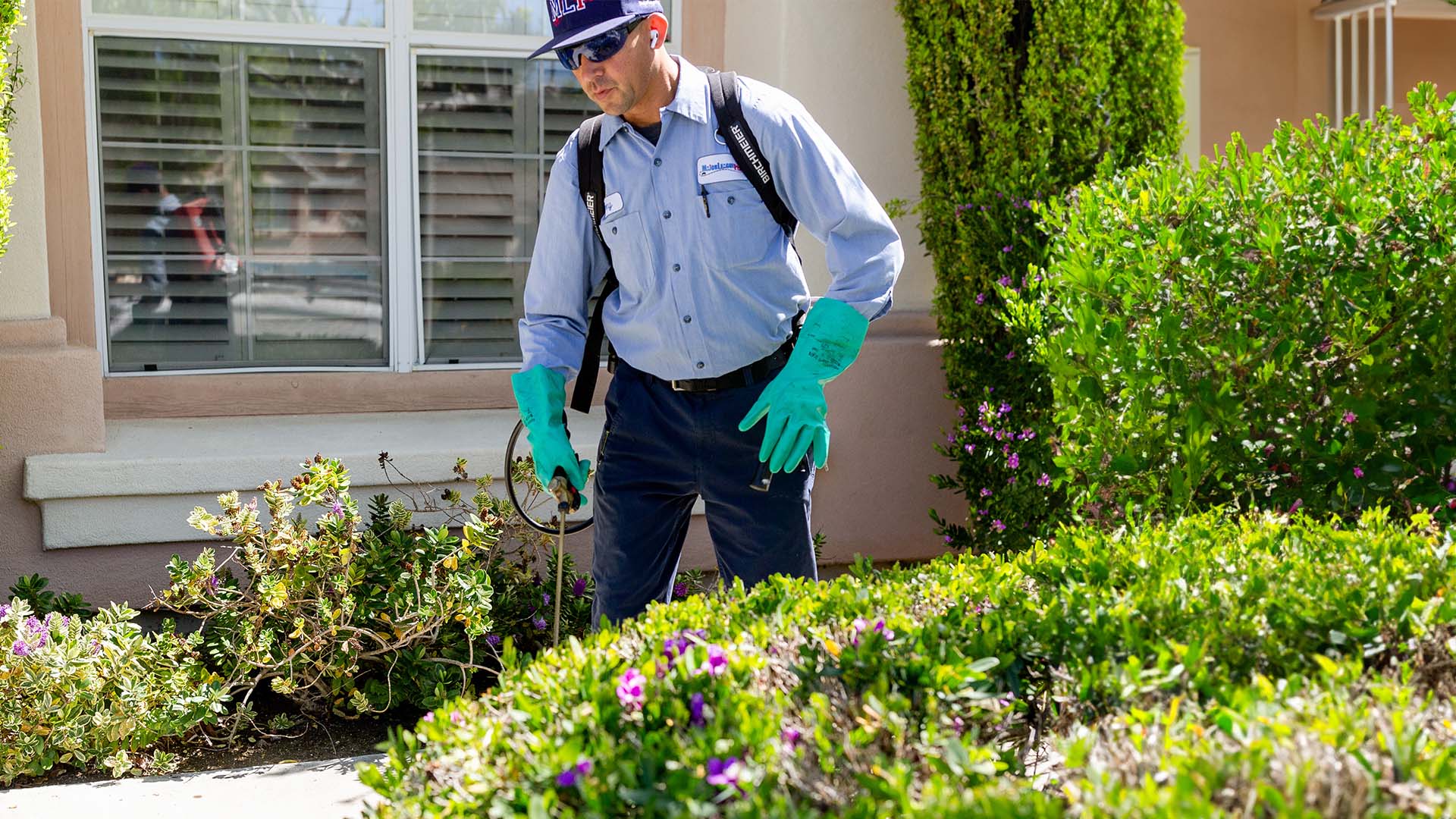
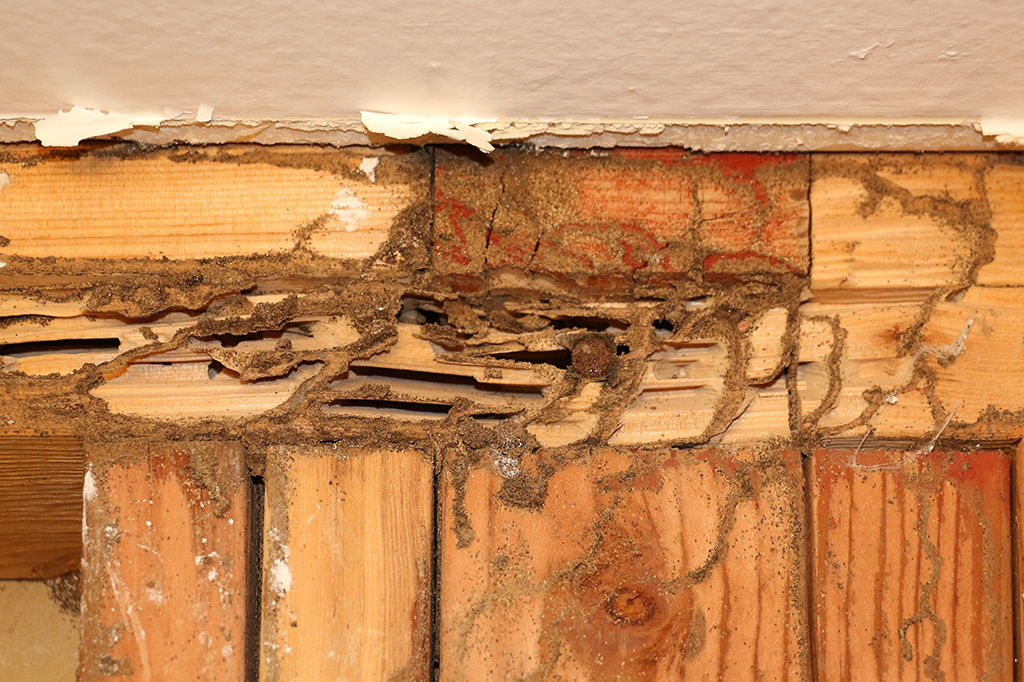
Pellets, discarded wings, mud tubes, and damaged wood do not always indicate the same termite problem. Our termite extermination services begin by determining whether evidence points to drywood, subterranean, or moisture-associated activity.
San Marcos properties can differ widely, from older homes with mature landscaping to newer developments with irrigated yards and attached structures. We check relevant areas, explain the extent of visible activity, and match localized treatment, fumigation, barriers, baiting, or repairs to the findings rather than recommending one method for every property by default.
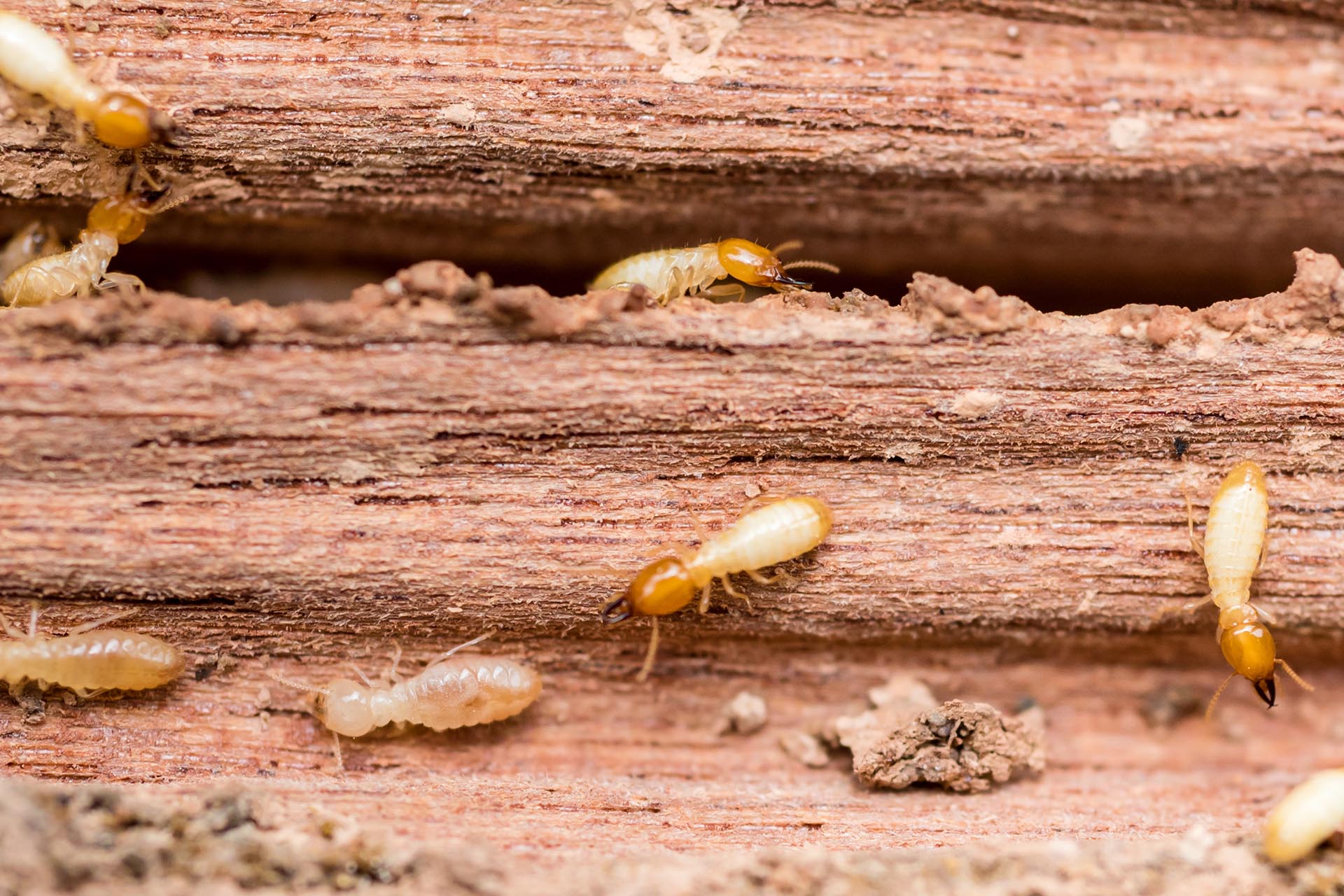
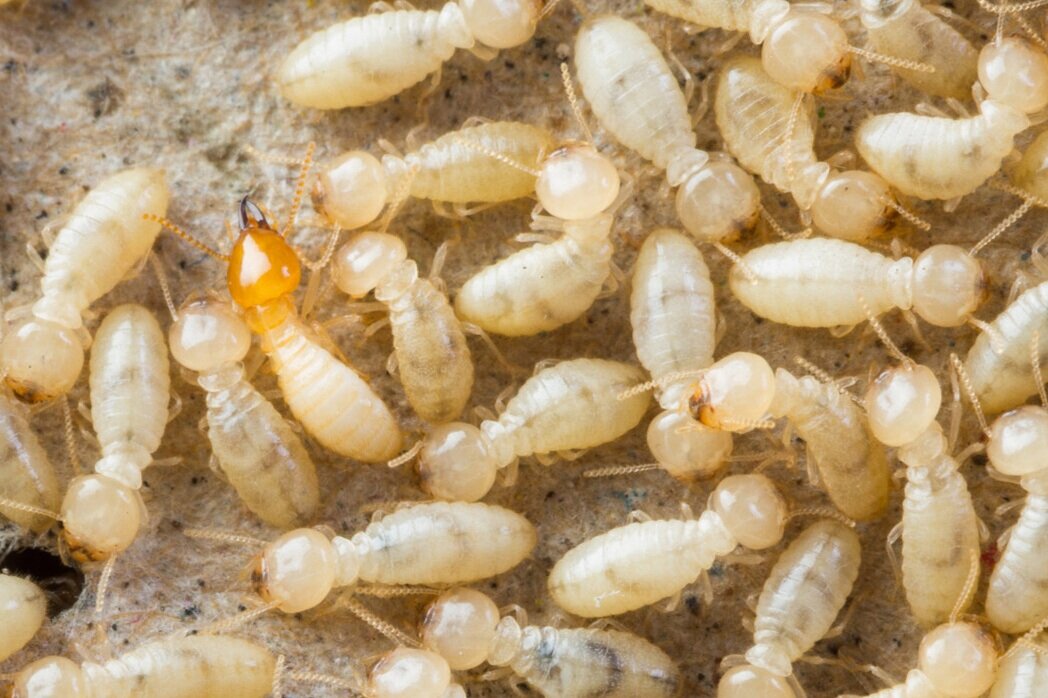
Different termites live and travel differently, so our treatment recommendations begin with species identification, access points, and the infestation’s reach.

Dampwood termites favor moist wood. We inspect for activity alongside leaks, drainage concerns, decayed boards, and irrigation exposure, then recommend treatment and correction of contributing moisture conditions around the structure.
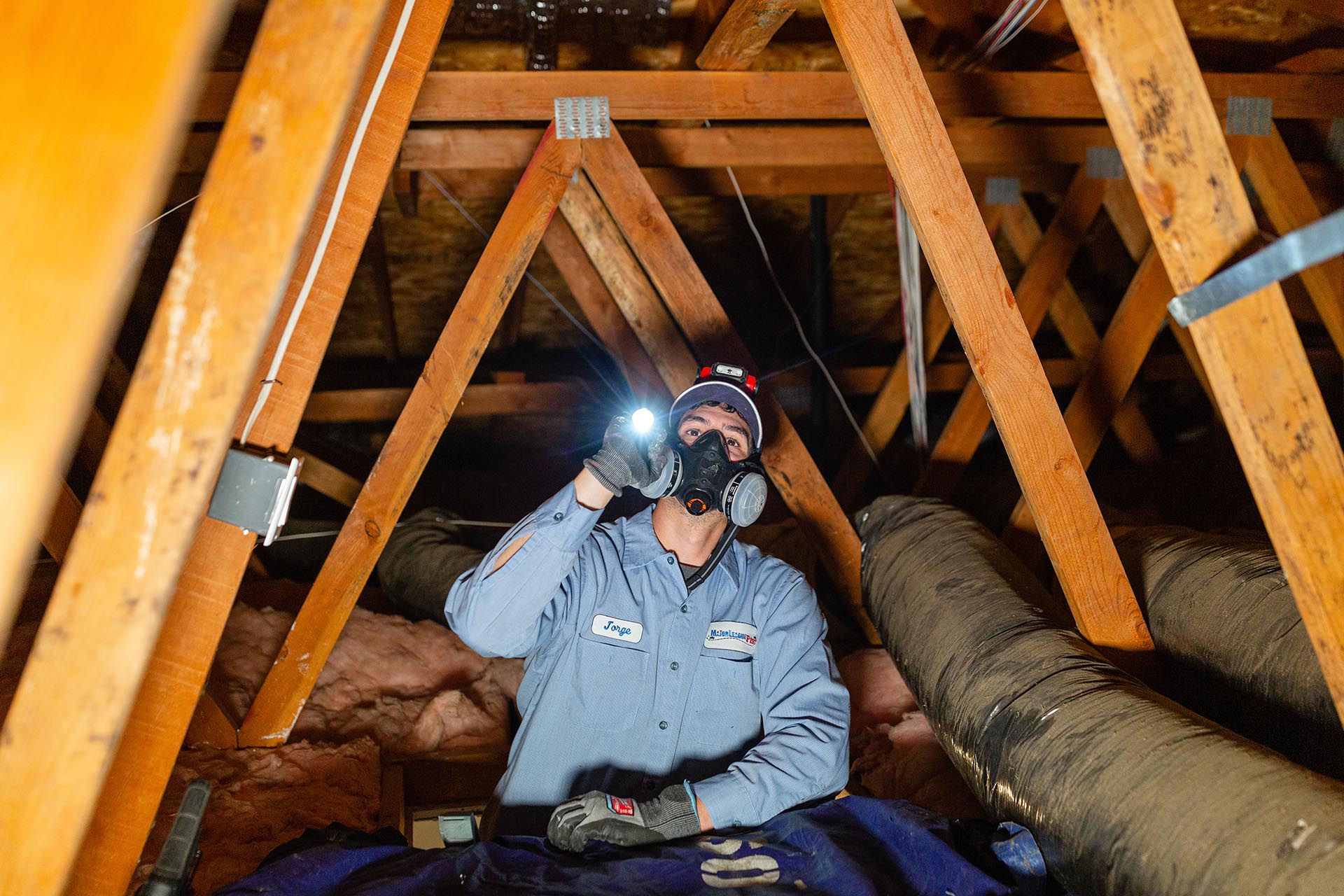
Drywood termites often remain hidden inside beams and framing. Termite control specialists inspect the affected wood, follow signs of activity, and decide whether spot service or full-structure fumigation is necessary.

Subterranean termites travel from soil into structural wood through concealed pathways. Our team may recommend barrier applications, baiting, treatment, and correction of wood-to-soil contact or persistent moisture around the foundation.
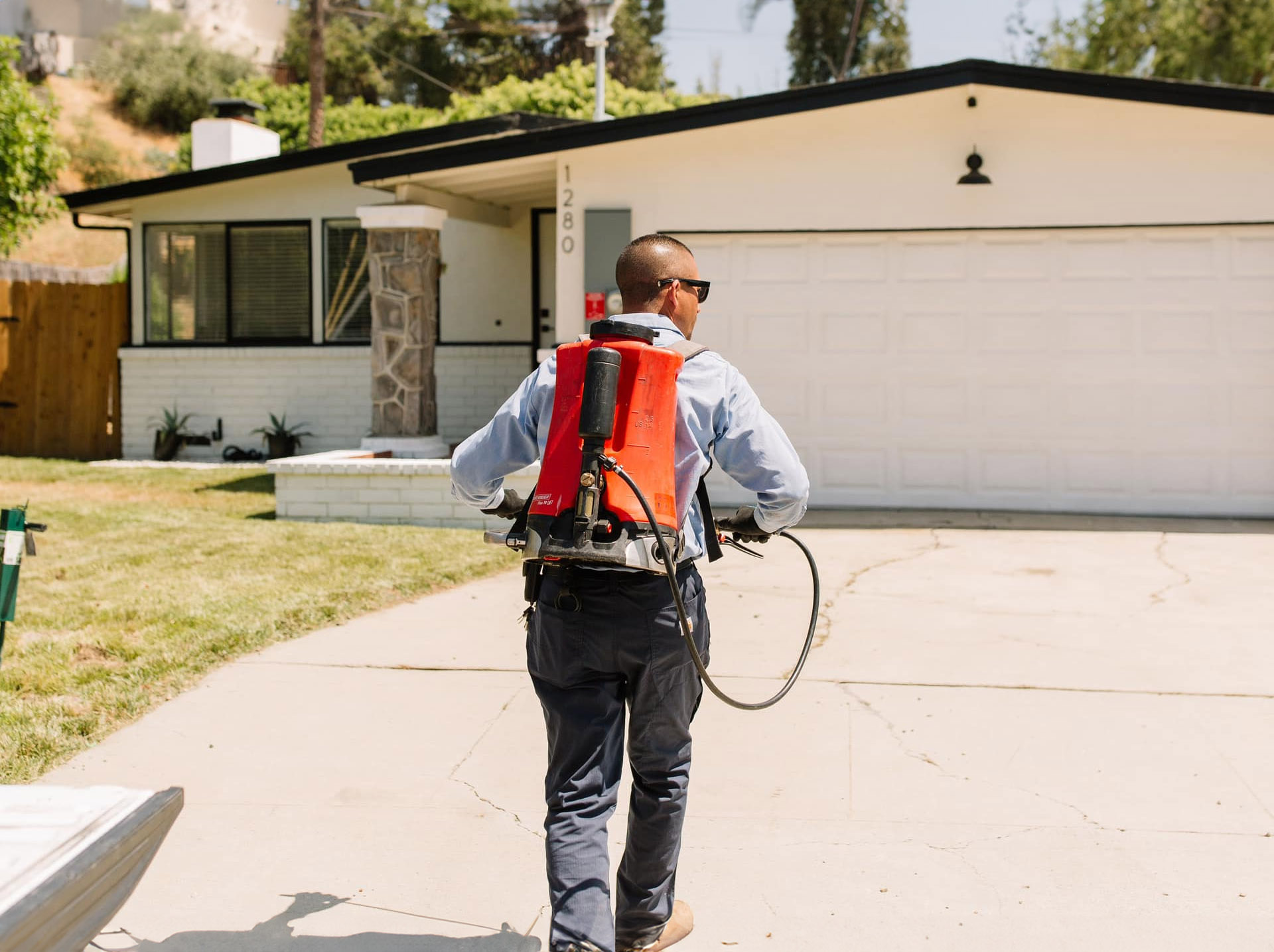
An inspection can turn up problems that are easy to miss, including hollowed framing, damp wood, dry rot, fungal decay, and concealed entry points. Scheduling termite control in San Marcos, CA, before renovation lets these issues be documented and repaired before fresh finishes cover the damage and complicate later work.
Yes. Schedule an inspection before remodeling, especially before roof, window, deck, or patio work. Once old trim, siding, or framing comes out, termites and soft wood can stop the job fast. A check gives the contractor time to price repairs, adjust the scope, and avoid surprise delays later on site.
The choice comes from the inspection, not a guess. A termite expert checks the termite type, damaged wood, attic or wall activity, soil contact, and entry points. Drywood termites may need spot work or fumigation. Subterranean termites usually need ground control, baiting, moisture correction, and follow-up checks afterward as needed.
Yes. Major League Pest can replace termite-damaged or deteriorated wood after the active infestation is handled. Repairs may involve trim, fascia, patio framing, and other accessible components. The area is inspected first, so homeowners know what failed, what must be replaced, and whether moisture or termites caused the original damage.
Before work starts, a termite control exterminator checks the problem spots, daily routines, pets, and prep concerns. Smaller jobs are planned around access when possible, so rooms are not tied up longer than needed. If fumigation is required, homeowners get clear bagging, move-out, reentry, and clearance instructions in writing.
Yes. San Marcos rental and HOA termite work often starts with access approval, notices, and shared-area questions. After that, the inspection covers the unit, connected wood, and nearby common spaces. Findings are written plainly so owners, managers, boards, and residents know what was found, what needs repair, and when.
Yes. Local termite exterminators can check whether soft, stained, hollowed, or crumbling wood points to termites, moisture, fungus, or another wood-destroying issue. That matters because replacing boards without fixing the cause can bring the same problem back. You get the finding, the likely source, and the next repair or treatment step.
Contact us when you notice pellets, discarded wings, mud tubes, hollow-sounding wood, blistered surfaces, or unexplained damage around trim, eaves, patios, or foundations. You should also schedule an inspection before a major renovation or property transaction. Early evaluation can limit uncertainty and help you choose a more targeted service response.
Schedule an inspection to identify the termite, understand visible damage, and receive a treatment recommendation based on your property’s findings.